The Business Case for SOSA Embedded Systems

Historically, maintaining military embedded systems has been a choice between two extremes: investing heavily to keep capabilities current, or allowing those systems to become obsolete.
The main problem was how tightly all the system's proprietary hardware was connected. Changing a single part often meant re-engineering everything around it. It’d be like trying to put a new engine in a car, only to find out you also have to replace the entire engine bay (and just about everything in it) to make it fit.
This cycle of slow, expensive development made it difficult and expensive to keep pace with evolving threats in areas like C5ISR and Electronic Warfare. To fix the problem, the U.S. Department of Defense (DoD) created the Modular Open Systems Approach (MOSA), a key result of this which was the Sensor Open Systems Architecture (SOSA®).
While it's easy to view the SOSA® standard as just another technical requirement (and increasingly, it is one for many DoD acquisition programs) that perspective misses the compelling business case for SOSA adoption beyond simple compliance.
Building with SOSA standards provides faster deployment and lower lifetime costs. More importantly, it guarantees that your systems can be upgraded, ensuring they remain valuable and relevant long into the future.
What is the SOSA Standard, Exactly?
Managed by the SOSA® Consortium, the SOSA standard is a team effort by the U.S. Air Force, Army, and Navy to create a single, shared technical guide. Instead of inventing something completely, SOSA acts as a "standard of standards” using specific rules and profiles from trusted open standards that already exist, like VITA’s OpenVPX for hardware.
The standard gets specific, for a very good reason. For hardware, SOSA defines everything from the size and shape of computer modules (like 3U and 6U VPX as defined in VITA 46/48 and VITA 65/66/67) to the exact pin layout on the connectors. This guarantees that a card from Vendor A will physically fit and work in a slot made by Vendor B, getting the power it needs and sending data correctly.
SOSA's strict definition of connection points is the difference between hoping that your hardware will work together and knowing they will... at least theoretically. The specification and conformance procedures are still being developed, but the goal for true interoperability remains.
The Business Case for SOSA
1. Get Technology to the Field Faster
Before a landmark 1994 directive by then-Secretary of Defense William J. Perry, the Pentagon relied on custom military specifications for nearly every component. This meant building a defense system was often slowed down by custom engineering, as the sheer number of available standards for core hardware elements (like backplane profiles) created a mountain of work for engineers on any new system build or upgrade.
Would a card from one vendor physically fit in a chassis from another? Did they have different power requirements? Were the connectors compatible? After solving the hardware puzzle, they still had to write custom software drivers just to get the various products to communicate. Each of these custom hardware and software connections then had to be tested from scratch.
The Perry Memorandum kicked off the COTS initiative which, along with subsequent MOSA efforts, have solved this by creating something much closer to a "plug-and-play" environment. While it doesn't eliminate the need for skilled system integration, it provides a common foundation that reduces the risk of hardware and software compatibility issues from the start.
For example, suppose that a new enemy jamming signal appears. With a system built using the traditional approach, developing a countermeasure could require overhauling the entire system. With MOSA, a company can focus on creating a new signal processing PIC to defeat the threat. Because that card is built to MOSA rules, it can more easily be integrated into existing systems in the field. The response time to a new threat can now be measured in months, not years.
SOSA goes farther by providing a limited subset of backplane slot profiles that can be utilized along with simplifying the power. By having a more manageable group of available PICs to utilize, it helps speed up interoperability. There are always nuances and differences between cards – even ones with the same slot profile. The conformance effort of SOSA should minimize these differences, making integration a much quicker and smoother process.
2. Lower the Total Cost of Ownership
Faced with the complexity of incompatible standards, many programs took what seemed like a simple shortcut: relying on a single vendor’s proprietary ecosystem. While this solved the immediate problem of getting products to work together, it created a much larger, long-term issue: vendor lock-in.
Once a program is locked into that ecosystem, the costs keep adding up long after the initial purchase. Programs become stuck with that one vendor for expensive parts, required service contracts, and high fees for any changes. Every time one part needs an update, the program's budget is at risk.
SOSA breaks this cycle by establishing a common ground where products from different companies can work together. Program managers can select the best hardware for the job from any vendor, which forces vendors to compete on price, innovation, and performance.
This interoperability also better enables parts to be reused. For instance, a program office for a ground vehicle could perhaps use the same SOSA-certified radio card that has already been tested and approved for an airborne platform. This saves money and time that would have been spent on redundant testing and validation. Over the life of a program, these savings lead to a much lower Total Cost of Ownership (TCO).
The biggest benefit, though, is control. It means you can plan your budget without worrying that a single supplier will suddenly double the price of a part or stop making it.
3. Build Systems That Can Evolve
When your system is built with one vendor’s parts, its future essentially becomes tied to that company's business plan. If that vendor discontinues key hardware, or another vendor develops a much more competitive alternative, you can become stuck. Your entire platform can become an uncompetitive "dinosaur” just because one critical part is outdated.
SOSA solves this with modularity. It allows for "rapid tech insertion," meaning innovative technology can be added quickly and easily because parts from different makers are interchangeable. An older PIC from Vendor A can be swapped out for a newer, more powerful one from Vendor B with very little redesign.
The freedom to pick the best hardware from any company is a huge business advantage. Your system can use the best single-board computer from one supplier, the best RF card from another, and the best GPU from a third, all in the same box. If a better RF card is released two years later, upgrading is as simple as swapping a module.
This makes the entire platform last longer, ensuring that your systems can handle new missions and stay ahead of the curve.
Making SOSA Work in the Real World
The SOSA Technical Standard provides the blueprint, but a successful system needs more than just a specification. The performance of your entire system depends on the integrity of its core architecture.
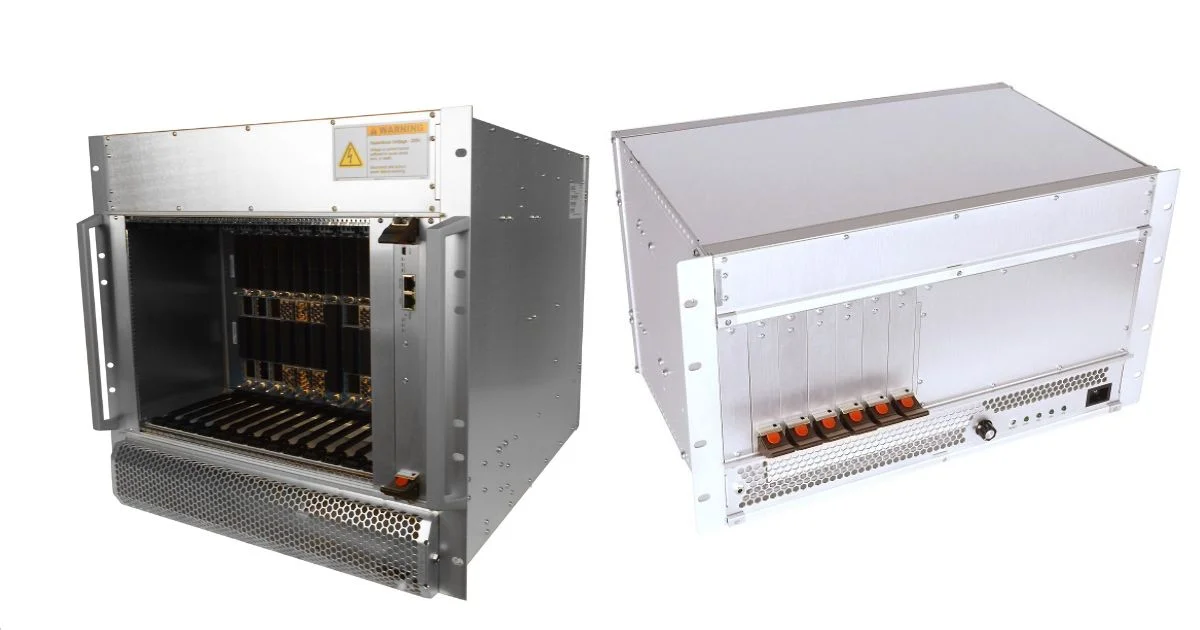
Not all SOSA-aligned products are the same, and the quality of foundational hardware (like the rugged chassis, backplane, and system manager) can differ greatly between vendors.
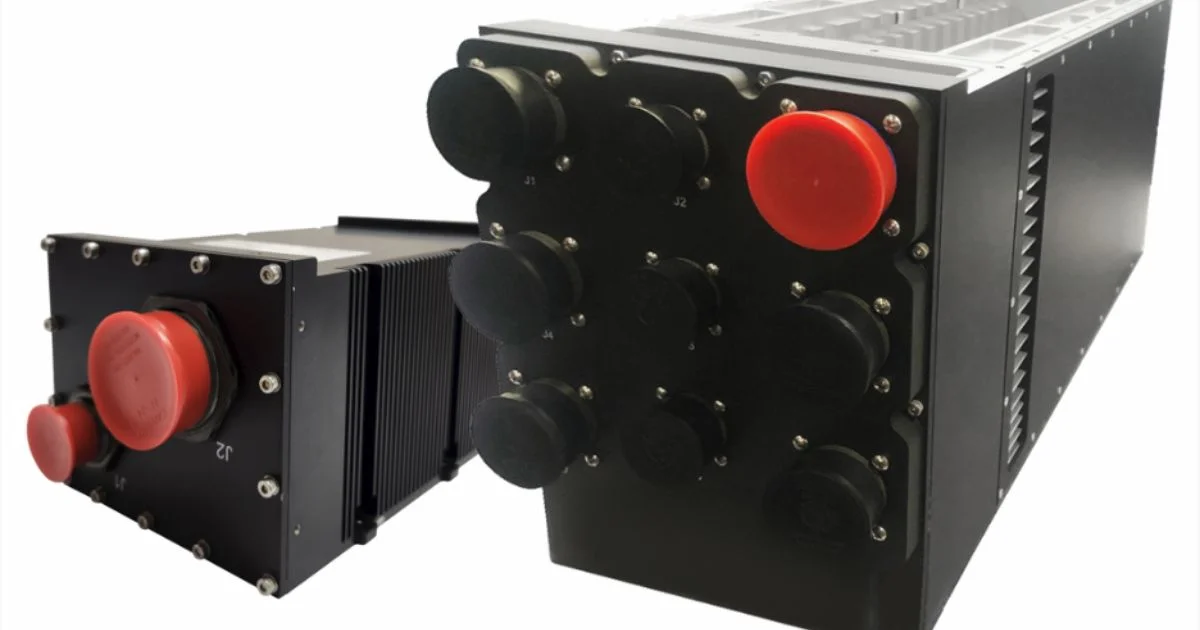
For example, packing powerful electronics into compact, rugged enclosures creates a lot of heat. An expert supplier knows how to design a chassis that uses specific cooling techniques, like conduction-cooling, to effectively draw heat away from key hardware so the system doesn't overheat and fail at a critical moment. Another example is the backplane, which provides the critical data pathways between every module in the chassis. An expert supplier performs detailed signal integrity analysis to ensure the pathways can handle today's high-speed data rates without errors or data corruption.
This is why choosing the right supplier for this core infrastructure is so important. Pixus Technologies is an established leader in MOSA and an Associate Member of the SOSA™ Consortium. We apply years of direct experience to engineering MOSA and SOSA-aligned enclosure and backplane systems for the world’s most critical military and aerospace programs. This system-level knowledge is backed by compliance with ISO 9001:2015 and AS9100D, options creating a rigorous, process-driven workflow that delivers hardware you can trust in the most demanding conditions.
Find a Solution That Fits Your Program
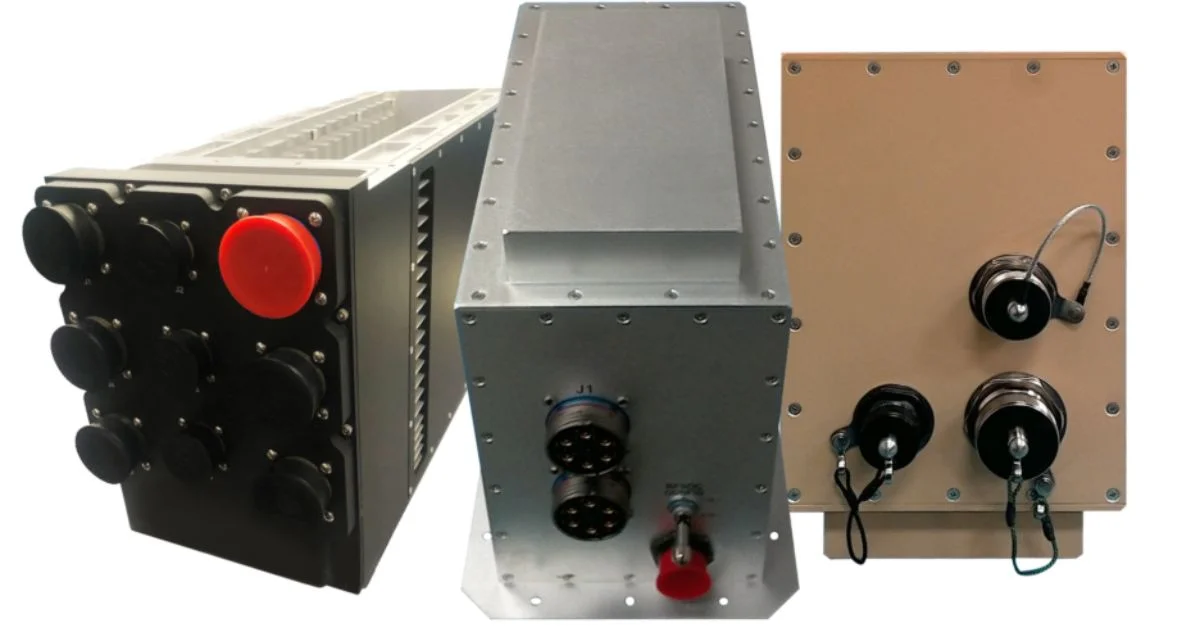
Every program has specific technical requirements. Pixus Technologies’ portfolio of proven, commercial-off-the-shelf (COTS) SOSA-aligned products often provides a solution that meets your needs. But for applications where a standard product doesn’t quite fit, we specialize in modifying our proven COTS desgins to meet the specific form, fit, and function you require. This delivers the reliable hardware you need without the cost, risk, or long lead time of starting from scratch.
Adopting the SOSA standard is a key strategic decision with two distinct advantages. Yes, it provides critical access to DoD contracts; that is, of course, a major incentive. But it also helps you build systems faster and at a lower cost and keep those systems relevant and profitable for years to come.
When you're ready to find the right hardware for your SOSA-aligned system, it helps to talk directly with the people who build it. Contact Pixus Technologies to discuss your project.