What is a Chassis Manager and Why Do You Need One

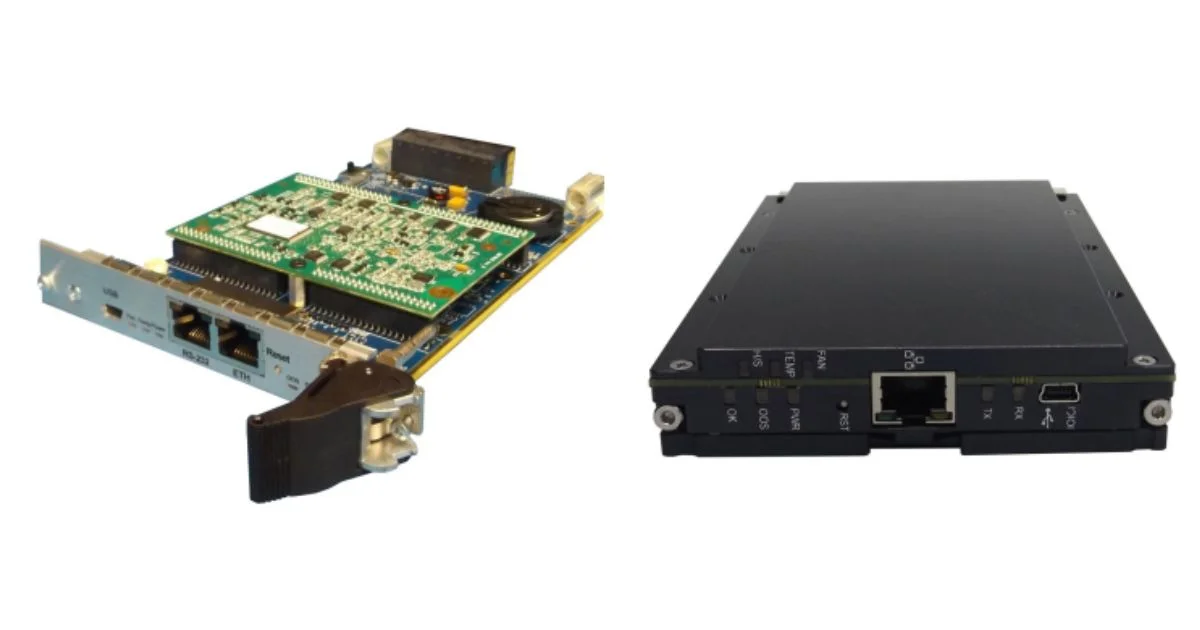
Figure 1: Shows examples of VITA 46.11 and SOSA aligned chassis managers in 3U pluggable formats.
A chassis manager or hardware management card (HMC) is a mandatory part of SOSA aligned embedded systems. Learn what an HMC does and why it's essential for system reliability and interoperability.
Understanding the internal health of the chassis computing platform has not been performed consistently in complex embedded systems. In some cases, engineers would just rely on simple front-panel LEDs to flag a power issue or basic built-in tests to report an interruption. In other applications, there were only a basic voltage monitor or an alarm card for fans, etc. Other times, no monitoring was done at all. Without a centralized management system, you might not realize that a component was malfunctioning until the moment that a failure occurred.
The VITA 46.11 standard (2022) was an important option for OpenVPX based systems to perform higher levels of system management and SOSA now requires the monitoring for an “aligned” or compliant system.
What Exactly is a Chassis Manager?
A chassis manager, also called a Chassis Management Controller (CMC) or Hardware Management Card (HMC), is a self-contained computer designed to manage the health of the system chassis and the components within.
Importantly, a chassis manager operates "out-of-band", or independently of the system's main processors, operating system, and firmware. This means it can continue to function, diagnose problems, and even attempt recovery actions if the primary system has crashed or is powered down.
The chassis manager is tasked with a wide range of responsibilities that can be grouped into three main functions:
Health monitoring: The chassis manager automatically discovers every module in the chassis and polls their sensors for critical data like temperature and voltage. It also monitors shared resources like power supplies and cooling fans.
System control: Based on the health data it collects, the chassis manager can dynamically adjust fan speeds to regulate temperature, manage power sequencing for individual modules, initiate a reboot, or even shut down a component to keep it from being damaged by a power surge.
Communication and data management: The chassis manager acts as the bridge between the high-level System Manager and the individual board controllers. It logs important events (like temperature spikes) to help technicians diagnose problems later. It also keeps an inventory of every part, including serial numbers and firmware versions, which is important to have on hand during maintenance and system upgrades.
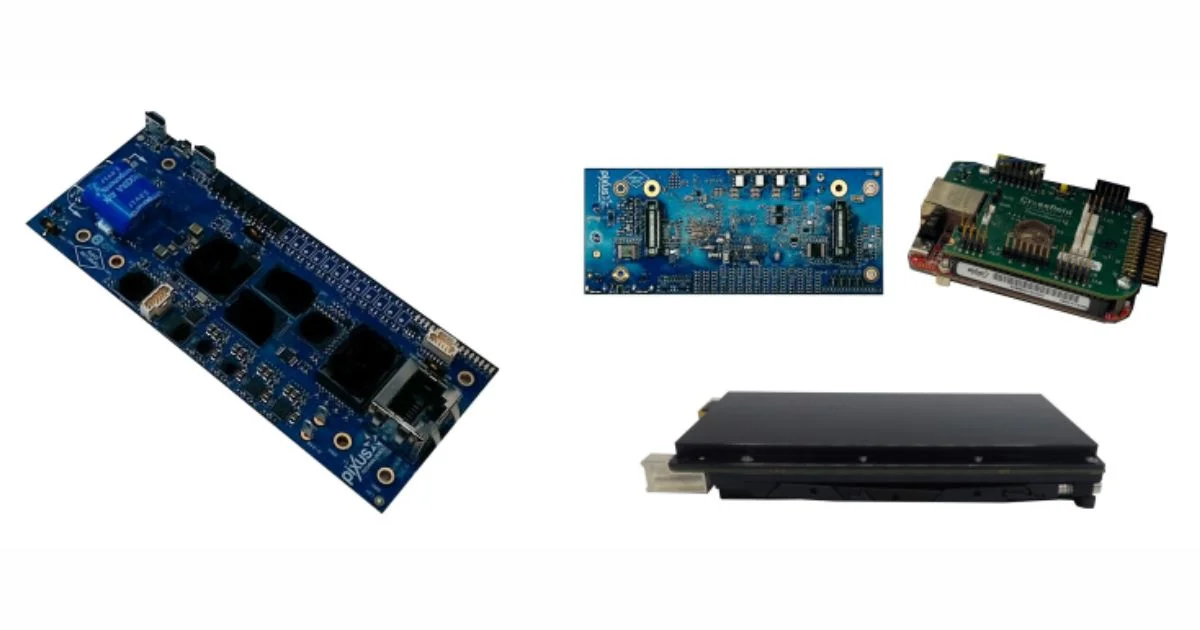
Figure 2: Various format configurations for the SHM300 Tier 3 SOSA aligned chassis manager including a mezzanine style, 3U slot pluggable, and an internal test/dev unit.
How VITA 46.11 Defines Chassis Management
Released by the VITA Standards Organization (VSO) in 2015, ANSI/VITA 46.11 defines a formal management architecture for OpenVPX systems. It provides a common set of commands and a shared protocol for communication, monitoring, and control between the chassis manager and the various modules in the system.
The primary goal of the standard is to establish a common "language" for these management tasks. By doing so, it ensures that plug-in cards and chassis from different manufacturers can operate together.
Rather than starting from scratch, VITA 46.11 adapted the proven Intelligent Platform Management Interface (IPMI) specification from the commercial server industry. The standard uses an enhanced I²C bus, known as the Intelligent Platform Management Bus (IPMB), as the communication channel between the chassis manager and the controllers on each module.
To create a clear command structure, the VITA 46.11 standard defines a three-tiered management hierarchy:
Tier 1 - Module Level - Intelligent Platform Management Controller (IPMC): This controller is integrated into each individual VPX module, or Field Replaceable Unit (FRU). It acts as a local agent, monitoring the health of its specific board and reporting that status up to the chassis manager.
Tier 2 - Chassis Level - Chassis Manager (ChMC): Oversees all the individual IPMCs within a chassis to get a complete picture of the system's health and issues commands for control and recovery.
Tier 3 - System Level - System Manager: In addition to passive monitoring, a Tier 3 manager can take autonomous, policy-driven action.
Broader Department of Defense mandates like the Modular Open Systems Approach (MOSA), and the standards that support it like the SOSA™ Technical Standard, reference VITA 46.11 directly. SOSA makes several VITA 46.11 features and functionalities mandatory to ensure interoperability and a common management framework.
Why a Chassis Manager is Essential for Your System
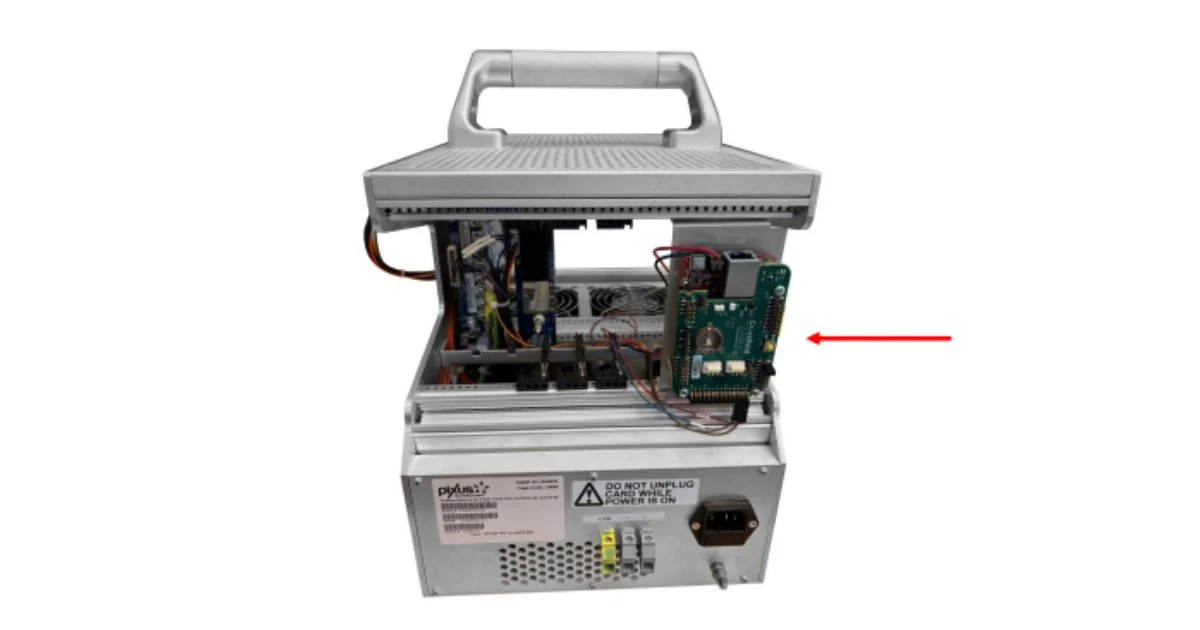
Figure 3: The ChassisBerry2 is the test/dev version of the SHM300 that can be affixed inside or on the back of a open frame or other OpenVPX enclosure.
Adding a chassis manager to a system pays off across the entire system lifecycle, from the initial design phase all the way through years of use in the field.
Improve Reliability and Uptime
The chassis manager is an early-warning system. It can detect when components begin to operate outside of normal parameters, but before they begin to seriously impact the performance of the system as a whole. This makes it possible to proactively repair or replace the defective component, preventing more widespread damage and reducing the length of downtime.
Simplify Integration and Interoperability
The "common language" defined in VITA 46.11 helps to ensure that components from different vendors will work together with predictable results. This is a core principle of the Modular Open Systems Approach (MOSA), and it makes it much faster and easier to build new systems or upgrade existing ones.
Meet DoD Mandates
For SOSA aligned systems being designed for Department of Defense (DoD) procurement, a chassis manager is not optional. The SOSA™ Technical Standard makes a chassis manager with specific features and functionalities mandatory.
Reduce Maintenance and Operational Costs
The detailed Sensor Event Log (SEL) maintained by the chassis manager supports Condition-Based Maintenance (CBM+), which is a key DoD sustainment strategy. Rather than troubleshooting after the fact, engineers can analyze trends in the log and perform maintenance proactively. This predictive model significantly reduces the Total Ownership Cost (TOC) by preventing minor faults from causing expensive secondary damage. And when a part does fail, the log can pinpoint exactly which one it is, saving hours of troubleshooting and getting the system back up and running much faster.
Provide Intelligent Fault Detection and Recovery
VITA 46.11 defines functional tiers that represent a progression from passive monitoring to active, intelligent intervention.
- A basic Tier 1 manager simply reports data ("Slot 4 is at 90°C").
- A Tier 2 manager adds historical context ("Slot 4 has exceeded its threshold five times").
- A Tier 3 manager, as envisioned by SOSA, takes autonomous, policy-driven action. For example, it can automatically increase fan speeds in response to a high temperature. If the temperature doesn't decrease, it can send remote signals about the over-temp condition. The HMC can also request that specific slot to shut down to prevent permanent hardware damage.
SOSA also makes it possible to implement redundant chassis managers, providing a fallback that can keep the system running and recover from a fault in the primary management controller.
The Pixus Approach to Chassis Management
Pixus Technologies offers a range of OpenVPX chassis managers for embedded computing enclosures that are fully compliant with VITA 46.11 and aligned to the SOSA™ Technical Standard. These solutions are built on a foundation of proven engineering and a deep understanding of the challenges you face.
Flexible Form Factors for SWaP-Constrained Environments
Recognizing that every payload slot is valuable real estate, Pixus provides multiple implementation options for different architectural needs. The SHM300 is our widely used solution that utilizes Crossfield Technology software/firmware, which is 100% USA based.
- The SHM300-00 "SlotSaver" Mezzanine is a compact chassis manager that sits behind the backplane, meaning it takes up no payload slots. This design is ideal for densely packed systems and ensures no interference with VITA 66/67 optical and RF interfaces. It is currently deployed on systems that have been MIL qualified.
- The SHM300-20 Pluggable Module offers a Tier 3 manager as a standard 3U plug-in card, and comes in the VITA 48.2 conduction-cooled format (Contact Pixus for 6U options)
- The SHM300-40 is dubbed the “ChassisBerry2” or CB2 and is used for testing/development, often sold with Pixus’ SOSA aligned open frame test/dev chassis.
- While the SHM300 family uses only 100% US-based software and firmware, not all customers worldwide have that requirement. The SHM200 is also available as a European-based software/firmware solution. It is also Tier3 SOSA aligned and comes in both 3U and 6U pluggable sizes and VITA 48.1 air-cooled and VITA 48.2 conduction-cooled formats.
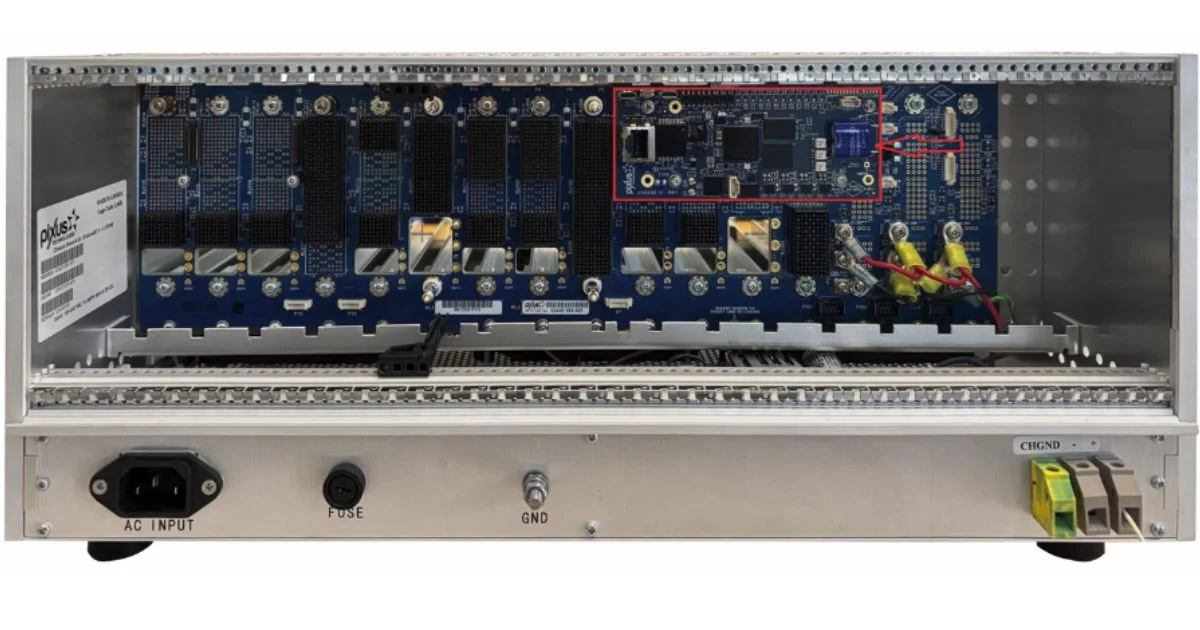
Figure 4: The mezzanine version is outlined in red, shown on the rear of a 3U OpenVPX backplane, so that no pluggable slots are consumed.
Designed for SOSA
Pixus chassis managers are designed to meet Tier 3+ requirements, with a suite of features including automated chassis discovery, dynamic cooling management, SDR-based sensor initialization, and full event handling. The SHM300 utilizes 100% US-based software and firmware, with optional features like chassis-centric authentication, anti-tamper capabilities, and conformal coating available.
Gain Full Visibility into System Health & Performance
The sheer complexity of modern military and aerospace applications demands intelligent, centralized oversight, and the chassis manager is the component that delivers it. Guided by the VITA 46.11 framework, the manager has evolved from a simple monitor into an active, autonomous guardian of system health.
A robust chassis manager provides the critical link between hardware health and mission success. It provides true system-level visibility and control, giving you confidence that your high-performance computing platforms are reliable, resilient, and ready for any challenge.
For programs building systems that require true multi-vendor interoperability, a chassis manager aligned with the SOSA Technical Standard is mandatory. If you are configuring a SOSA or OpenVPX system and have questions about chassis management, contact our engineering team. We can help guide you through your application's specific requirements to find the right solution.